California Military Families Fear Another 'Forever War' with Iran
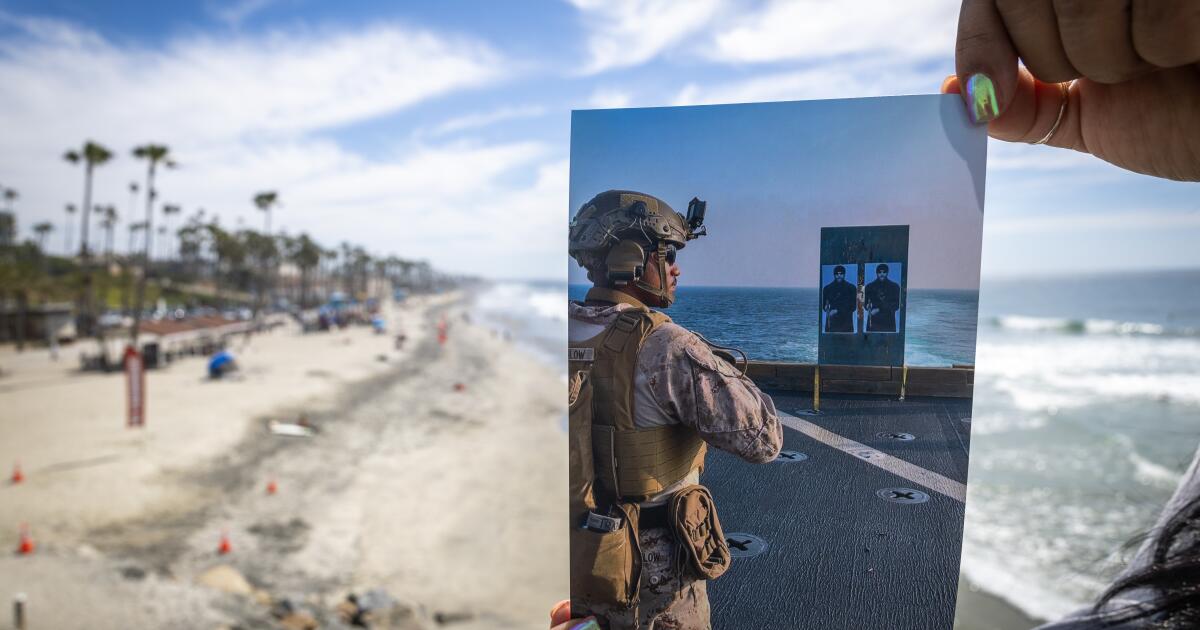
The echoes of past conflicts reverberate through military communities across the Golden State, as a new wave of apprehension washes over families stationed from Twentynine Palms to San Diego. The escalating tensions with Iran have ignited a profound fear among these dedicated households: the specter of another seemingly endless engagement, a "forever war" that could demand unimaginable sacrifices. For many, the recent U.S. and Israeli actions against Iran and the subsequent retaliatory strikes are not distant geopolitical maneuvers, but a very personal threat that rekindles long-held anxieties about deployments, family separations, and the ultimate cost of conflict.
Brandi Jones, now residing in Monterey County, knows this fear intimately. She was just 22 when her then-boyfriend first deployed to Iraq with a Twentynine Palms-based Marine unit in 2004. A year later, married and preparing a will, the grim reality of military life was already apparent. When her husband returned to Iraq in 2009, their children were still toddlers. Seventeen years on, her husband remains an active-duty Marine, and the news of an attack on Iran on February 28th, which included the killing of Supreme Leader Ayatollah Ali Khamenei, sent a chill down her spine. "I thought, 'If their dad deploys again now and doesn't come home, at least they got to know him and he got to see them grow up,'" Jones recounted, reflecting a heartbreaking calculus no parent should ever have to make. As the organizing director for the Secure Families Initiative, a nonprofit advocating for military families and veterans, Jones amplifies a crucial question resonating across bases: "Families are saying, 'What is the mission?' They wonder, what is the timeline?'" The underlying dread is palpable: "And, of course, everyone is fearful that it will be years and years."
The Immediate Human Cost: A Californian's Sacrifice
While the broader geopolitical stakes dominate headlines, the human cost of escalating tensions with Iran is already tragically clear, particularly for California. Just days after the initial strikes, the grim reality hit home with devastating force. Chief Warrant Officer 3 Robert M. Marzan, a 54-year-old from Sacramento, was killed in Kuwait on March 1st. He was among six U.S. Army Reserve soldiers who perished in a retaliatory drone strike by Iran on Port Shuaiba. Marzan, assigned to the 103rd Sustainment Command, a unit critical for supplying troops with essentials like food, fuel, and ammunition, was supporting the war effort. After more than three decades of distinguished military service, he was in the final two months of his last deployment when tragedy struck. His death serves as a stark reminder that military personnel, even those in support roles and nearing retirement, are always on the front lines when conflict flares. This profound loss underscores the very real and immediate sacrifices made by Sacramento Soldier Killed: California's Human Cost in Iran Conflict, reminding us that every casualty represents a family irrevocably changed and a community left in mourning.
The incident has intensified the pressure on an already strained system. Military bases across California, recognizing the heightened threat, have significantly tightened security protocols, adding another layer of daily vigilance for service members and their families. This constant state of alert, while necessary, contributes to the pervasive stress experienced by those living within these communities.
California's Pivotal Role and Mounting Stress
California holds a uniquely significant position in the national defense landscape, hosting some of the largest and most strategically important military installations in the country. From the Marine Corps Air Ground Combat Center in Twentynine Palms, which has seen numerous deployments to the Middle East, to the vast naval presence in San Diego, the state is intrinsically linked to global military operations. The San Diego-based USS Abraham Lincoln is one of two known U.S. aircraft carriers actively engaged in the current conflict, alongside the Virginia-based USS Gerald R. Ford. This direct involvement places Californian families at the heart of the crisis.
U.S. Rep. Scott Peters (D-San Diego), whose district encompasses Naval Air Station North Island, the Lincoln's home port, openly acknowledges the immense pressure on military families in his area. "It's not like they're calling us up and complaining. That's not what they do," Peters observed, highlighting the stoicism often associated with military life. "They sign up for this mission. They know that sacrifice is part of it. But that doesn't make it easy." His comments reflect a deep understanding of the unique burden carried by these families, who, despite their commitment, grapple with profound uncertainty. Peters also voiced his disturbance over social media videos posted by the White House, suggesting a disconnect between the gravity of war and its portrayal. "It's war. It's not a war game," he emphasized. "The feeling you get is that this is very entertaining for them, that they're feeling very muscular. But this is a really costly thing for the country and the families that put their lives on the line." This sentiment resonates deeply within Iran Conflict: California Military Communities Face Deployment Fears, where the human element of conflict is a daily reality, not a political spectacle.
Beyond the Headlines: Supporting Military Families in Times of Uncertainty
The anxieties gripping California military families are complex, extending far beyond the immediate fear of deployment. They encompass concerns about children growing up without a parent, the mental and physical toll of repeated separations, financial stability, and the long-term impact of combat stress. For families navigating this uncertainty, proactive strategies and robust support systems are paramount.
- Seek Information, But Be Discerning: While official channels are crucial, families should be wary of unverified information. Rely on official military communications, family readiness groups, and trusted news sources.
- Utilize Base Resources: Military installations offer a wealth of support, including Family Readiness Centers, mental health services, chaplain services, and child development programs. These resources are designed to help families cope with the unique challenges of military life.
- Connect with Peer Networks: Organizations like the Secure Families Initiative, and even informal spouse networks on base, provide invaluable emotional support and shared experiences. Knowing you're not alone can make a significant difference.
- Financial Planning: In times of uncertainty, reviewing wills, power of attorney documents, and financial plans is critical. Ensure dependents are cared for and contingencies are in place.
- Prioritize Mental Health: Both service members and their families can experience significant stress. Open communication, professional counseling, and self-care practices are vital for maintaining well-being.
- Advocate for Clarity: As Brandi Jones highlights, the call for a clear "mission" and "timeline" is not just a political plea but a deep human need. Families deserve transparency and understanding from their leaders.
For civilians, supporting military families means more than just a "thank you for your service." It means understanding the invisible burdens they carry, advocating for policies that prioritize their well-being, and offering practical support where possible, whether through community initiatives or simply being a compassionate neighbor.
Conclusion: A Call for Clarity and Compassion
The renewed tensions with Iran represent more than just another geopolitical flashpoint; they signify a potentially devastating return to the "forever war" mentality that has already cost so much. For California military families, the fear is palpable, the sacrifices are real, and the questions are urgent. From Brandi Jones's heartbreaking reflections on her children's future to the tragic loss of Chief Warrant Officer 3 Robert M. Marzan, the human element of this unfolding conflict cannot be overstated. As the USS Abraham Lincoln patrols distant waters and security tightens on bases across the state, the collective hope is for a clear mission, a defined timeline, and a commitment to diplomacy that spares these dedicated families from yet another prolonged and costly conflict. Their resilience is undeniable, but their call for clarity and compassion from leadership must be heard.